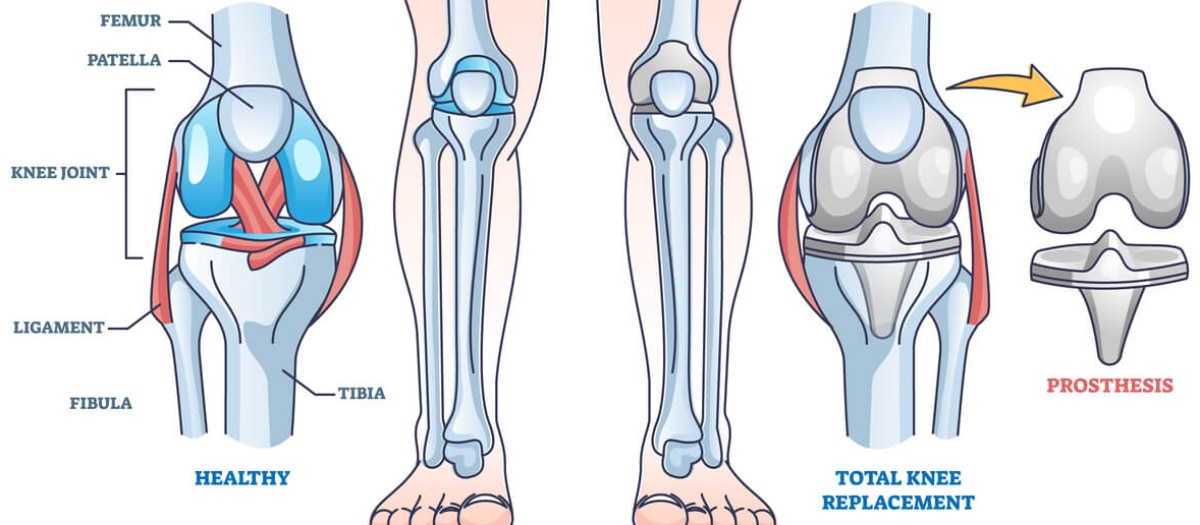
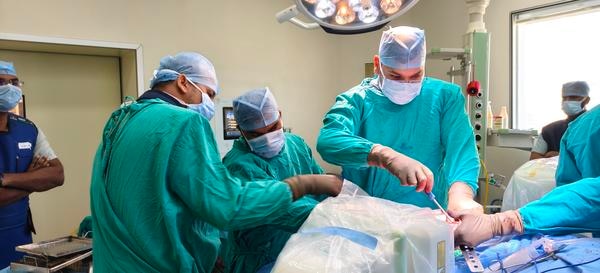
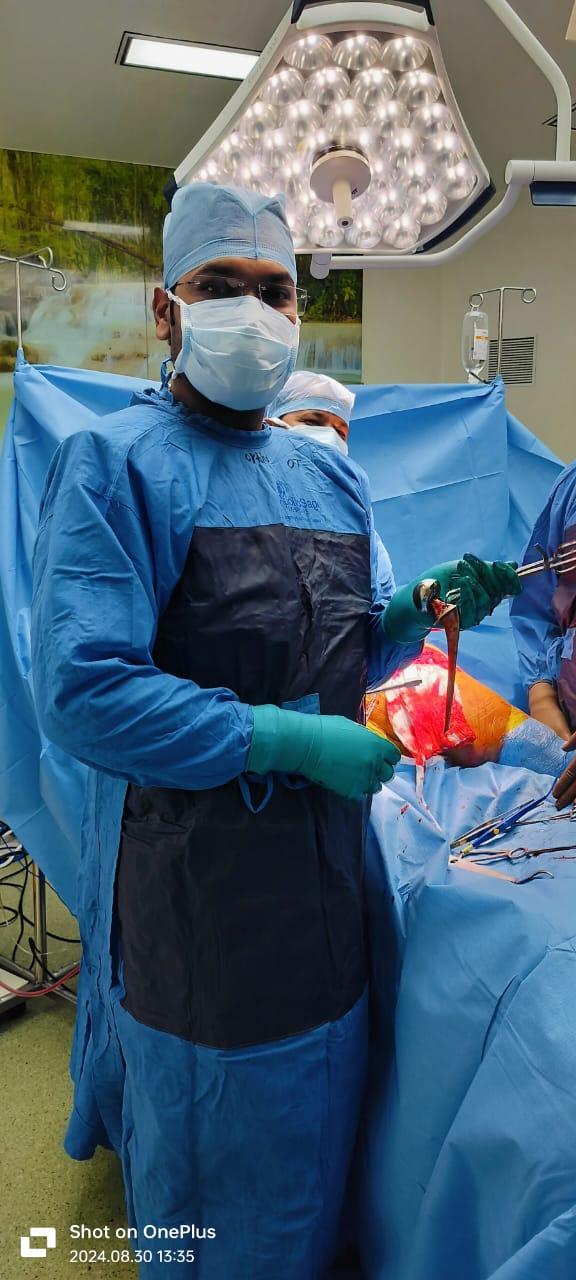
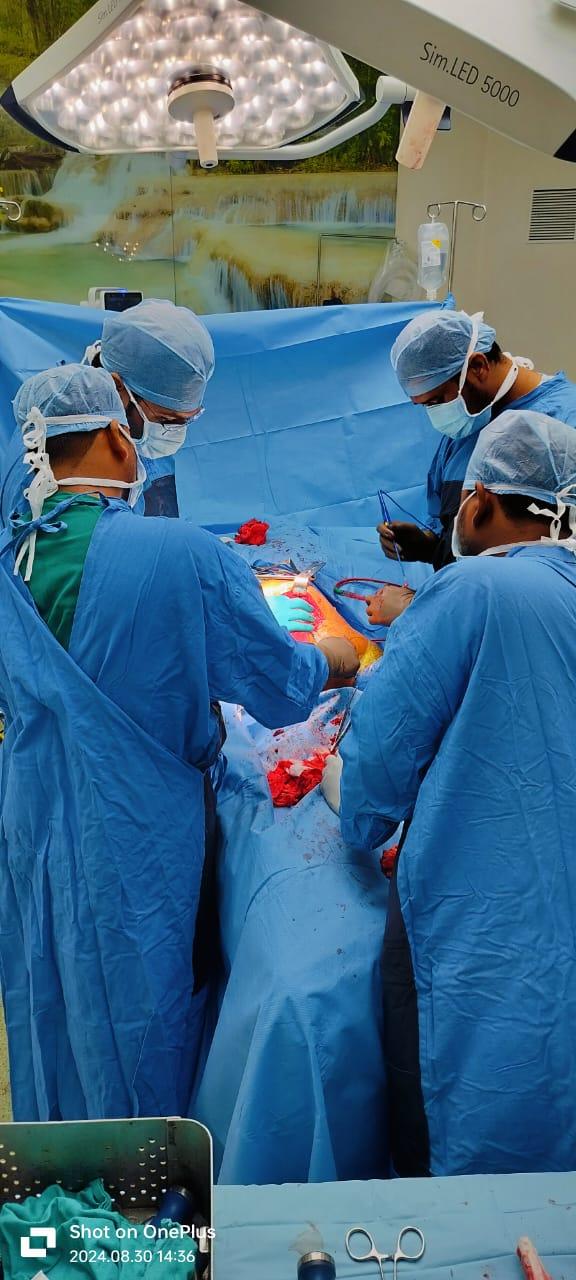
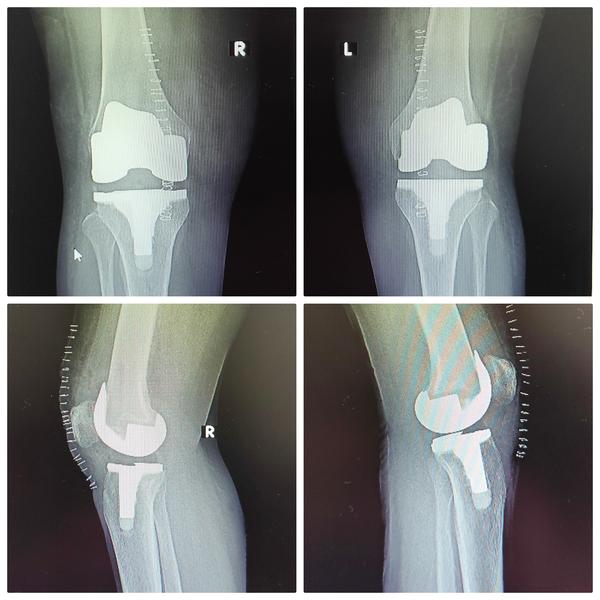
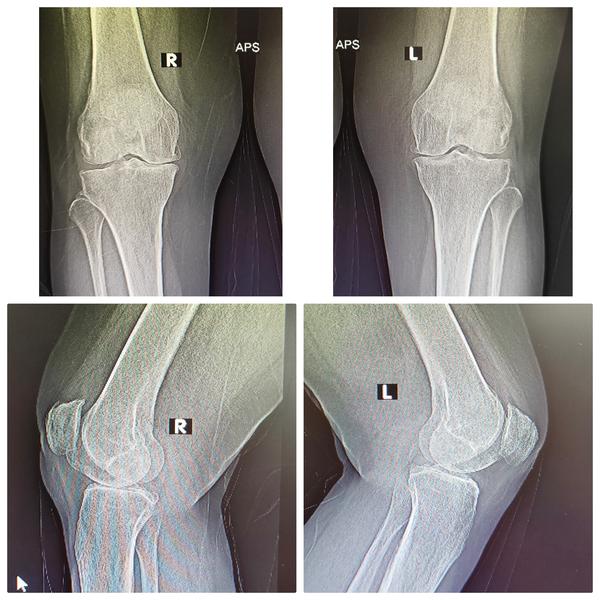
Robotic Knee Replacement Surgery is an advanced surgical technique that utilizes robotic assistance during knee replacement surgery to improve precision and outcomes. Here's how it works:Preoperative Planning: Before the surgery, the surgeon uses advanced imaging techniques, such as CT scans or MRI, to create a 3D model of the patient's knee. This detailed preoperative planning allows for a customized surgical approach.Navigation Assistance: During the surgery, the surgeon uses a robotic system that includes a computer and a robotic arm. The 3D model of the patient's knee is loaded into the computer, providing a real-time, high-resolution view of the knee joint.Surgical Precision: The robotic arm is controlled by the surgeon but offers enhanced precision and control. It assists the surgeon in making precise cuts in the bone and accurately positioning the implant components.Feedback and Safety Measures: The robotic system provides real-time feedback to the surgeon, ensuring that the planned cuts and implant placements are executed accurately. It can also prevent the surgeon from making any movements that could potentially damage surrounding tissues.Customized Approach: Robotic knee replacement allows for a highly customized approach, taking into account the patient's unique anatomy and the extent of joint damage. This can lead to a better fit and alignment of the artificial knee components.Less Invasive: Robotic-assisted surgery often requires smaller incisions than traditional knee replacement surgery. This can lead to less tissue damage, reduced pain, and a quicker recovery.Faster Recovery: Patients who undergo robotic knee replacement surgery may experience a faster recovery and shorter hospital stays compared to traditional surgery.Improved Long-Term Outcomes: The precise alignment and positioning of the knee implant components can contribute to improved long-term outcomes, including better joint function and longevity of the implant.
READ MORE